



Quick Summary
Housekeepers and maintenance staff spend most of a shift alone behind a closed door, which is the risk state panic button laws were written to address. Requirements differ by jurisdiction, but the common thread is a true one-touch device, accurate location, and a monitored response rather than a local alarm.
A hotel guest room can feel like an unpredictable environment for the housekeeper or maintenance worker who enters it alone, which is exactly why panic buttons for hotel workers have moved from a nice-to-have amenity to an operational necessity across the hospitality industry. Isolated staff members, unfamiliar guests, and long hallways with limited visibility all combine to create real safety risks that hotels can no longer afford to overlook.
At Guardian MPS, we work with hospitality employers to put reliable, monitored protection directly in the hands of the staff who need it most.
Why Hotel Staff Face Unique Safety Risks
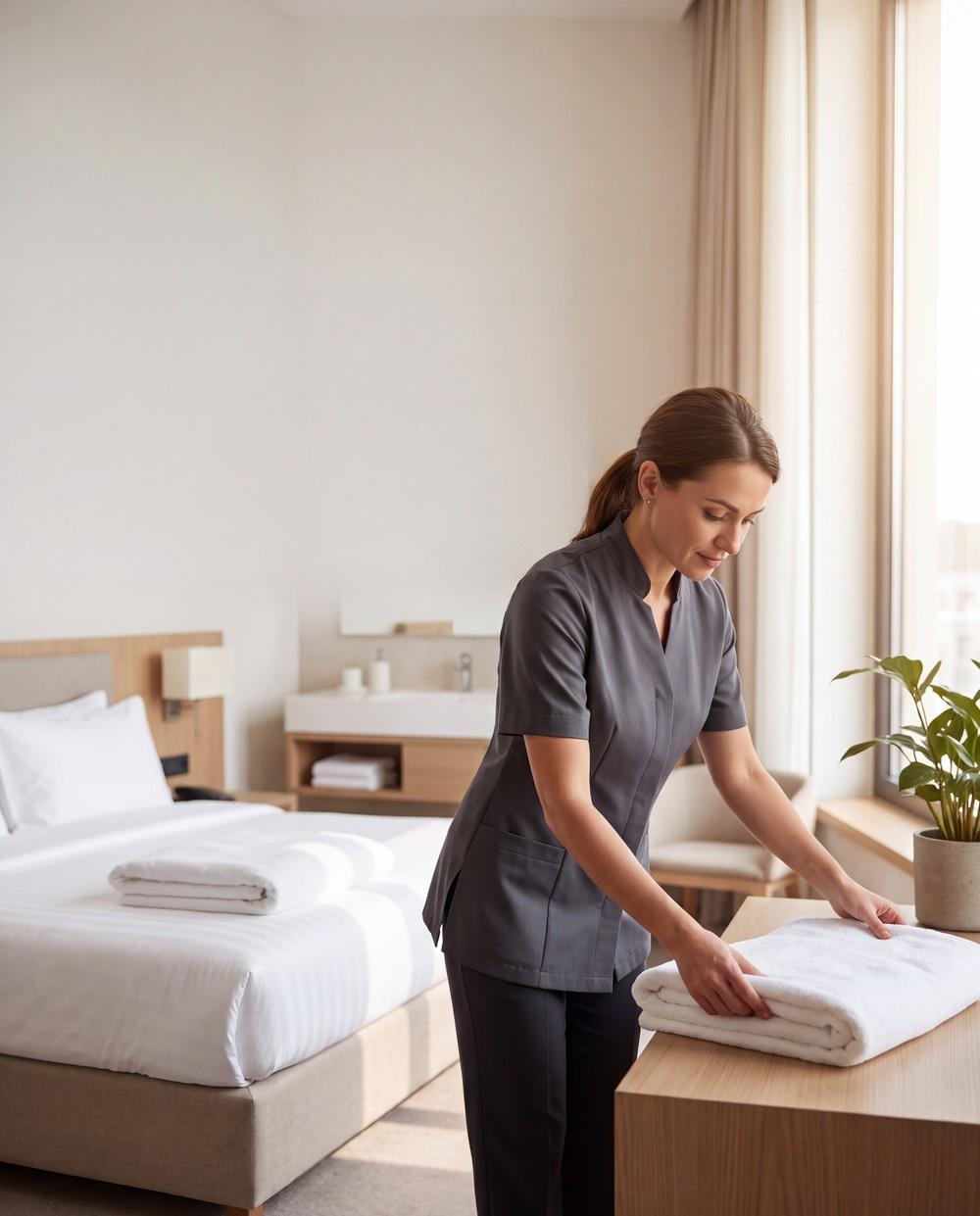
Housekeepers, room service attendants, and maintenance staff frequently work alone in guest rooms, storage areas, and back-of-house corridors where a call for help might go unheard.
Unlike a front desk employee surrounded by colleagues, these workers often have no immediate way to summon assistance if a guest becomes aggressive or a situation escalates unexpectedly.
This isolation is precisely the vulnerability that a dependable panic button is designed to close.
Understanding Hotel Panic Button Regulations
Several states have introduced legislation requiring hotels to equip isolated workers with true one-touch panic devices, and this trend appears likely to continue.
Our overview of hotel panic button regulation in Washington State outlines what covered employers must provide, including a functioning panic button, a documented harassment policy, and a clear incident reporting process.
Hotels operating in multiple states should expect similar requirements to expand in the coming years.
What Makes an Effective Emergency Alert Device
Not every alert system offers the same level of protection. A genuinely effective emergency alert device needs to work reliably with a single press, function even in areas with weak cellular signal, and connect the worker to a live response team rather than simply sounding a local alarm.
Devices that merely make noise may deter some situations, but they do little to guarantee that help is actually on the way.
The Role of 24/7 Monitoring
A panic button is only as strong as the response behind it. Our trained 24/7 monitoring center verifies every alert in real time, listens through live audio capture when available, and contacts police or emergency services once a genuine threat is confirmed.
This human verification step distinguishes a monitored safety system from a basic alarm that simply hopes someone nearby will respond.
GPS Location and Why It Matters in Hotels
Large hotel properties often span multiple floors, wings, and outdoor areas such as parking structures or pool decks. When a staff member triggers an alert, knowing their exact location can save critical time during an emergency response.
GPS-enabled devices allow the monitoring center to relay precise location details to responding officers, rather than leaving them to search an entire property.
Supporting Staff Beyond Guest Rooms
Hotel safety extends beyond housekeeping into other isolated roles throughout the property, including front desk staff working overnight shifts or employees managing quiet lobby areas. Many of the same protections used for office and lobby staff apply equally well to hospitality environments, giving hotels a consistent safety standard across every department.
Building a Culture of Safety, Not Just Compliance
While meeting regulatory requirements matters, the most effective hotel safety programs go beyond the minimum standard. Equipping staff with reliable panic devices sends a clear message that their well-being is a genuine priority, which in turn supports morale, retention, and a more confident, engaged workforce throughout the property.
Why Hotels Choose Guardian MPS
As the Guardian MPS safety system combines a discreet wearable device with app-based check-in and check-out features, hospitality employers gain flexibility in how they protect different roles across a property. Whether staff prefer a dedicated device or a mobile app solution, our monitoring team stands ready around the clock to respond to every genuine alert.
Protect your hotel staff with a trusted, monitored safety solution. Contact Guardian MPS today to discuss the right option for your property.
Frequently Asked Questions
Are hotels legally required to provide panic buttons to staff?
Requirements vary by state, though several jurisdictions now mandate true one-touch panic devices for isolated hotel workers, with more states expected to follow.
What is the difference between a basic alarm and a monitored panic button?
A basic alarm typically only makes noise locally, while a monitored panic button connects directly to a live response team that verifies the alert and dispatches help.
Do panic buttons work throughout an entire hotel property?
GPS-enabled devices are designed to function across large properties, allowing the monitoring center to identify a worker’s location during an emergency.
Which hotel staff members typically need panic buttons the most?
Housekeepers, room service attendants, and maintenance workers who enter guest rooms alone are often prioritized, though overnight front desk staff also benefit significantly.




No Comments
Sorry, the comment form is closed at this time.