



Quick Summary
Location is the difference between an alert and a rescue. A wearable panic button transmits coordinates the moment it is pressed, so responders are sent to an address rather than a search area. Connectivity in weak-signal areas and a design people will actually wear daily decide whether it works in practice.
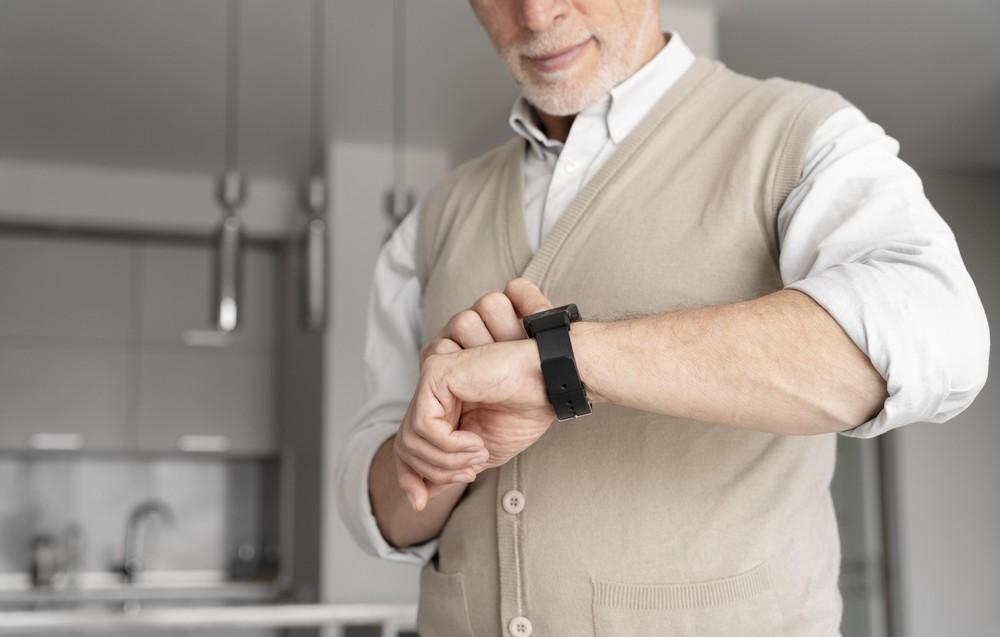
Personal safety devices have come a long way from the loud, standalone alarms of the past, and today’s wearable panic button with GPS technology represents a meaningful shift toward smarter, more responsive protection. Rather than simply drawing attention, modern devices connect the wearer to a live monitoring team who can pinpoint their exact location and coordinate an appropriate response.
Guardian MPS has spent years refining this technology for employees who work alone, in unfamiliar environments, or in situations where every second matters.
Why Location Data Changes the Safety Equation
A panic alert without location information leaves responders guessing where help is actually needed, which can cost precious time during a genuine emergency. GPS integration solves this problem directly, transmitting real-time coordinates the moment an alert is triggered so that dispatchers and monitoring staff know exactly where to direct assistance.
Comparing Wearable GPS Devices to Traditional Medical Alert Systems
Many people are familiar with traditional life alert GPS systems designed for home use, typically marketed toward older adults who may experience a fall or medical emergency. Workplace-focused wearable devices build on this same core concept, but they are designed for mobile use throughout a workday, whether that means visiting client homes, walking a large facility, or traveling between job sites.
How Emergency GPS Alerts Actually Work
When a wearer presses their device, an emergency GPS signal is transmitted to a live monitoring center along with the device’s current coordinates. Trained staff then assess the situation, often using live audio capture to understand what is happening in real time, before contacting police or emergency services with accurate location information already in hand.
Why GPS Accuracy Matters for Field-Based Roles
Workers who move between multiple locations throughout the day face a particular challenge when it comes to safety response, since their whereabouts can change constantly.
For field service workers, accurate GPS tracking ensures that help can find them wherever their job takes them, rather than relying on an outdated or assumed location.
The Importance of Reliable Connectivity
GPS accuracy alone does not guarantee dependable protection if a device loses its connection in areas with limited cellular coverage.
Wearable safety devices with independent connectivity can help maintain communication when a personal phone signal becomes unreliable, giving workers a more dependable way to request assistance in remote or isolated work environments.
Discreet Design for Everyday Use
Modern wearable panic devices are built to be worn comfortably throughout a full shift without drawing unwanted attention. Whether clipped to clothing, worn as a badge accessory, or carried discreetly, the goal is a device that feels like a natural part of the workday rather than a bulky or conspicuous accessory.
Protecting Employees Beyond the Workplace
A wearable panic button can extend workplace safety to employees who spend part of their day away from a traditional office.
Field technicians, home healthcare workers, property staff, and other mobile professionals can carry a discreet device that gives them direct access to assistance wherever their work takes them.
GPS location, live monitoring, and emergency communication work together to create a more responsive safety solution for employees working independently.
A Complete Safety System, Not Just a Button
The true value of the Guardian MPS safety system comes from combining GPS location, live audio capture, check-in features, and a trained monitoring team into a single, coordinated response system. Each component reinforces the others, creating a safety net that goes well beyond what a simple alarm could ever provide on its own.
Whether a device gets worn every day is the question a demo answers fastest. Schedule a demo with Guardian MPS to see the technology in action.
Frequently Asked Questions
How accurate is GPS tracking on a wearable panic device?
Modern devices provide real-time location data intended to guide responders directly to the wearer’s actual position during an emergency.
Does the device work in areas with poor cell signal?
Devices built for field use are designed with independent connectivity in mind to help maintain protection even in weaker signal areas.
Is a wearable GPS panic button comfortable for all-day use?
Yes, most devices are designed to be lightweight and discreet enough for a full workday without becoming a distraction.
What happens after the panic button is activated?
A live monitoring team receives the alert along with GPS coordinates, assesses the situation, and dispatches emergency services as needed.
Can wearable panic buttons track a worker’s location in real time?
Yes. Wearable panic buttons with GPS can transmit the wearer’s current location to a live monitoring team when an alert is activated, helping responders identify where assistance is needed.



No Comments
Sorry, the comment form is closed at this time.