


Quick Summary
A therapy room is private by design, which is exactly what makes a visible alarm unworkable. Discretion is the deciding feature: silent activation, audio verification, and a monitored response that does not escalate the session. Extending the same coverage to reception and intake staff closes the obvious gap.
Sitting alone in a room with a client whose behavior suddenly turns unpredictable is a scenario many therapists have encountered at some point in their career, which is exactly why a reliable panic button for therapists has become such an important safety consideration in behavioral health settings.
Therapy sessions require a level of privacy and closed-door confidentiality that, while clinically necessary, can also leave practitioners isolated if a situation escalates.
Guardian MPS works with behavioral health organizations to give clinicians a discreet, reliable way to call for help without disrupting the therapeutic environment.
Why Behavioral Health Settings Carry Unique Risk
Therapists often work with clients experiencing significant emotional distress, and while the vast majority of sessions proceed without incident, the nature of the work means unpredictable moments can occur.
Closed office doors, one-on-one settings, and after-hours appointments all contribute to an environment where a colleague may not immediately notice if something goes wrong.
How a Panic Button System Supports Clinicians
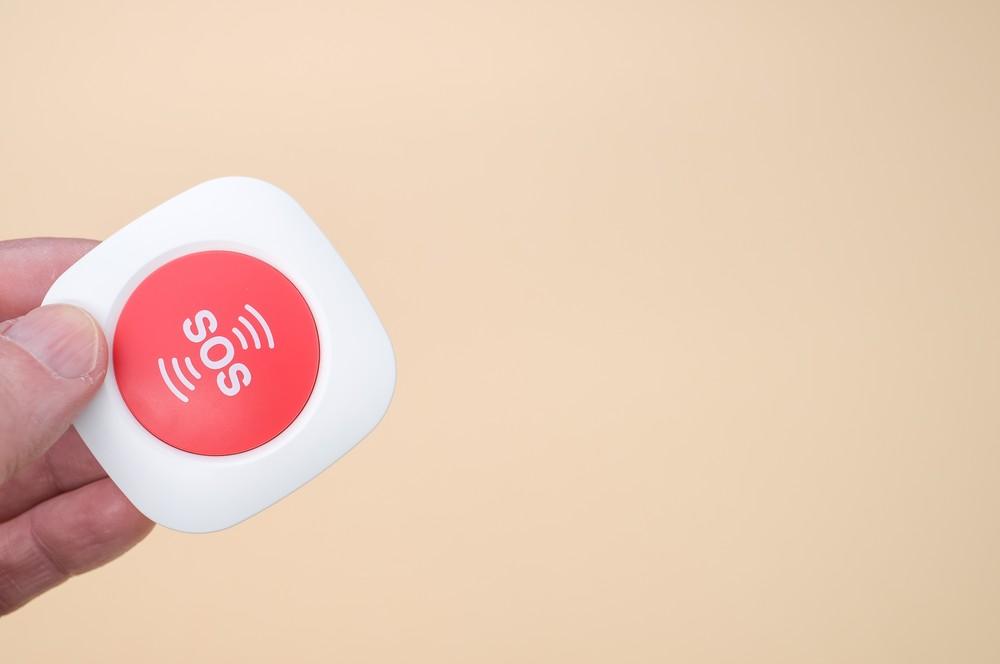
A well-designed panic button system allows a therapist to discreetly signal for help without needing to speak, dial a phone, or leave the room. A single, subtle activation can alert a live monitoring team, who can then assess the situation using audio capture and dispatch appropriate assistance without escalating tension within the session itself.
Why Discretion Matters in Clinical Settings
Unlike some workplace environments, therapy demands a level of subtlety that a loud or obvious alarm simply cannot provide. A visible or noisy device risks damaging trust with the client and could even worsen a volatile situation.
Wearable panic devices designed for clinical use allow therapists to request help quietly, keeping the response process as unobtrusive as possible.
Extending Protection Across Healthcare Settings
Therapists are not the only healthcare professionals who may face unpredictable situations while working alone. Nurses, home health workers, and other clinical staff can encounter similar risks, particularly during solo shifts or visits to unfamiliar locations. A panic button for healthcare workers can give these professionals a discreet way to request assistance when immediate support is needed.
The same safety principles apply across healthcare and behavioral health settings, where privacy, one-on-one interactions, and isolated work environments can make rapid access to help especially valuable.
Supporting the Broader Behavioral Health Workforce
Therapists are joined by case managers, counselors, and support staff who also face elevated risk during client interactions. Protecting behavioral health worker panic buttons across an entire organization, rather than limiting it to clinicians alone, helps create a consistent standard of safety throughout a practice or facility.
The Value of Mobile App Check-Ins
Beyond emergency alerts, many behavioral health organizations also value check-in and check-out functionality for scheduling awareness and accountability. Our GuardianMPS App allows clinicians to log session start and end times, giving supervisors visibility into staff whereabouts without requiring constant manual check-ins.
Why a Live Monitoring Team Makes the Difference
An alert is only useful if someone responds to it appropriately. Our 24/7 monitoring team verifies every activation, listens for context when audio capture is available, and coordinates with local authorities as needed. This human element ensures a therapist’s call for help is met with an actual, informed response rather than an automated notification alone.
Building Confidence Into Daily Practice
Knowing that help is a single press away allows therapists to focus more fully on their clients rather than remaining on edge throughout each session. This sense of security benefits not only individual clinicians but also the overall culture of safety within a behavioral health organization, supporting staff retention and wellbeing over time.
Protect your clinical team with a discreet, monitored solution. Reach out to Guardian MPS to learn which option fits your practice.
Frequently Asked Questions
How discreet is a panic button designed for therapy sessions?
Most devices allow for a single, subtle activation that does not require speaking or drawing attention, helping preserve the therapeutic environment.
What happens after a therapist activates their panic button?
A live monitoring team verifies the alert, assesses the situation using available audio, and dispatches emergency services or appropriate assistance as needed.
Can panic button systems be used for after-hours or solo appointments?
Yes, these systems are particularly valuable during evening or solo sessions when colleagues may not be immediately nearby.
Is check-in and check-out functionality useful for behavioral health teams?
Many organizations find this feature helpful for scheduling awareness, giving supervisors visibility into staff activity without requiring constant manual updates.
Can panic buttons be used by therapists working alone?
Yes. Panic button systems can give therapists a discreet way to request immediate assistance during solo sessions, including appointments held outside regular office hours.



No Comments
Sorry, the comment form is closed at this time.