Lone Worker Safety
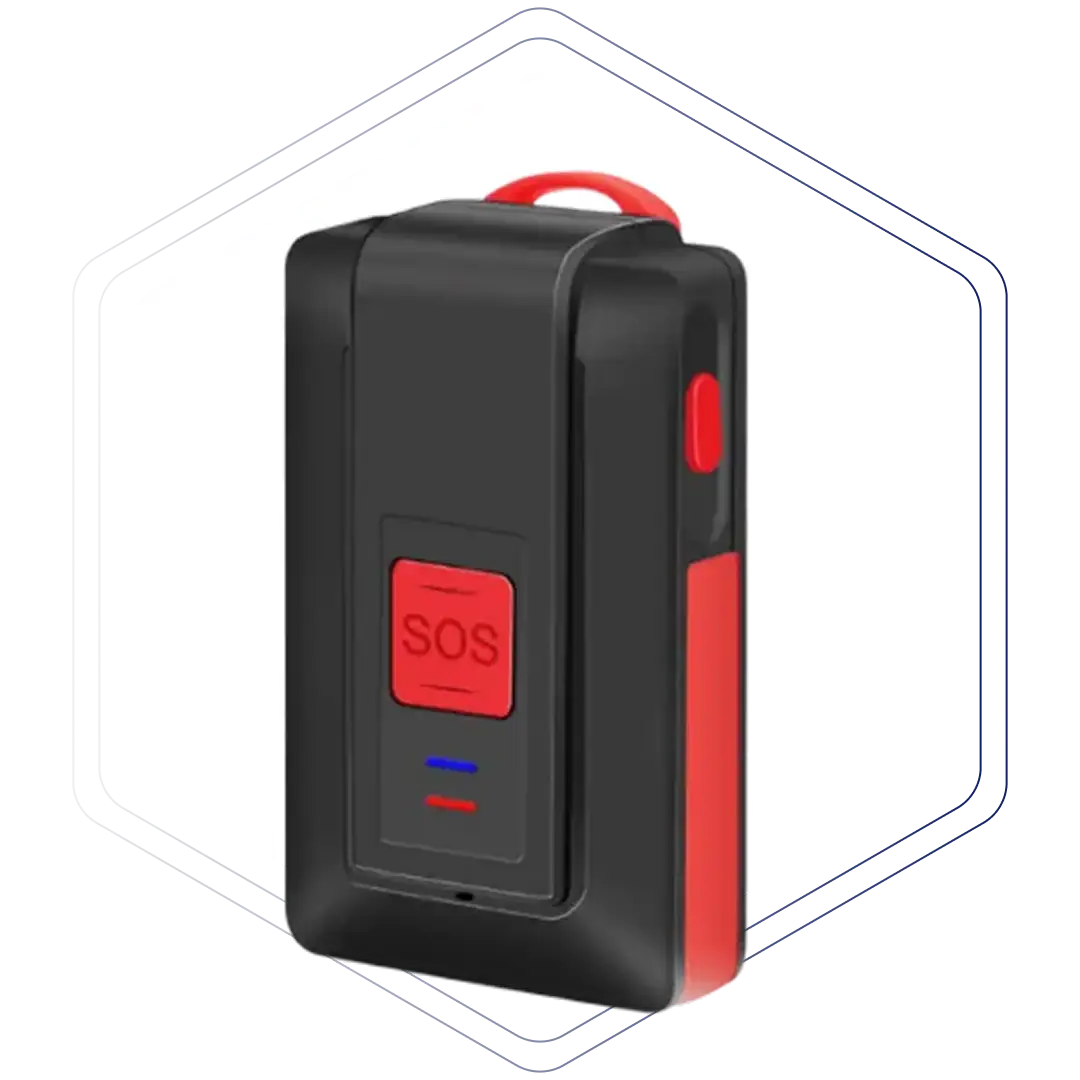
A dedicated panic device the size of a key fob — built for workers in the field who need to call for help fast, discreetly, and without a phone.

Key Features
The SafeCall device is completely independent. Its own SIM, its own OS, its own GPS chip. No Bluetooth. No reliance on the worker's phone.
Press and hold 2–3 seconds. No passwords, no app, no screen. Works in a pocket or under a jacket.
How it works
Four simple steps. No app required. Works anywhere there's cellular signal.
Once to confirm and three times to let them know it’s been successfully connected. Nothing further needed.
Privacy options
The SafeCall device can be configured to only transmit location when the SOS button is pressed - satisfying workers and unions who are concerned about always-on tracking.
Products & contracts
Start with the app, go all-in with the device, or combine both for complete coverage. All plans include 24/7 monitoring.
For organizations wanting safety coverage on existing worker phones — no extra hardware needed.

Higher-risk field workers who need a reliable, phone-independent panic solution that works even if their phone is taken, dead, or out of reach.
The most complete protection. Every scenario your team might face is covered.
No, it can charge while powered on. Turning it off is good practice though, as starting up the device resets everything to its optimum configuration. When you first get your device, it is preferable to leave it charging overnight so that any software updates can be sent. This also allows the new device to get a good connection with the satellites that it will use for calculating its location.
The device does need a cell signal to send a message. However it communicates by sending small bursts of data; unlike a phone, it is not trying to set up a two-way voice call, which needs much more bandwidth. Consequently it will often be able to connect to the network when a phone cannot.
If the SOS button is pressed in an area with absolutely no cell signal, it will not be able to send a message, and you will not receive the 3-buzz confirmation. However it will repeatedly continue to ping the network until it successfully connects, and then it will raise the alarm. The user will feel three vibrations when it has successfully connected. There is no need to continuously press the button, as each press will be treated as a separate alarm.
PERSONAL SECURITY SOLUTIONS
Join thousands of organizations worldwide that trust GuardianMPS to keep their mobile workforce safe and connected.
Experience the power of our personal safety system tailored for your teams.
Get all the technical specifications and whitepapers for our security hardware.
"*" indicates required fields